ECMWF's AI wave forecast update: what coastal sailors should know
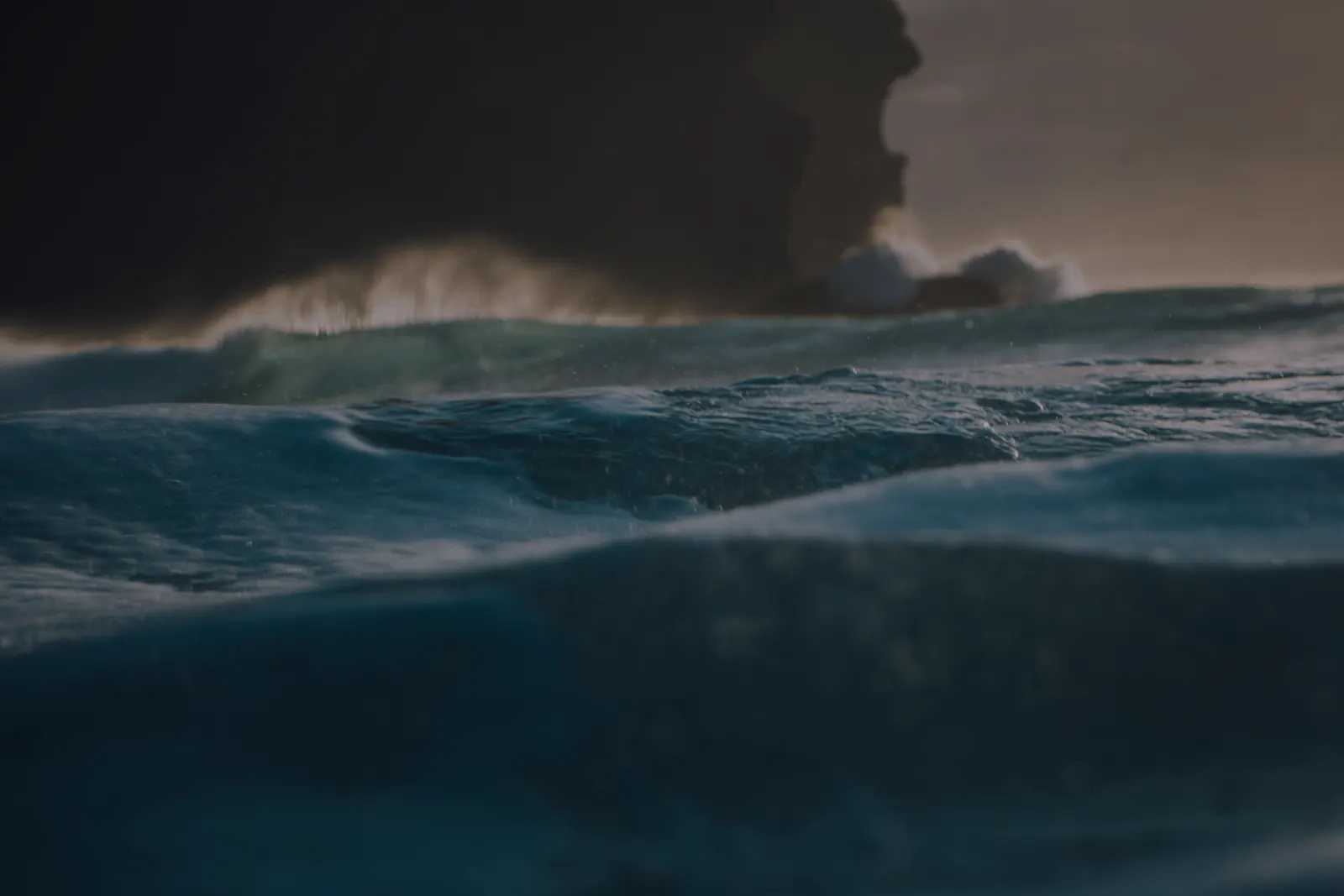
In May 2026, the European Centre for Medium-Range Weather Forecasts (ECMWF) brought wave predictions into version two of its Artificial Intelligence Forecasting System. It also updated its physics-based forecasting system. For a coastal sailor, the useful takeaway is better information to compare, not an automatic green light to sail. The update does not remove the need to read the local marine forecast, warnings and actual conditions.
What changed?
ECMWF says its May 12 upgrade introduced AI-based wave forecasts and made 11 wave-related variables available. It reported improved *medium-range* wave-forecast skill for one AI model compared with the physical model used in its announcement. That is a statement about ECMWF's evaluation, not a promise that every cove, harbour entrance or hour will be predicted correctly. Read ECMWF's release.
The centre's explanation of ocean-wave forecasting is a reminder of why the detail matters. A sea surface can contain locally generated wind waves and swell that travelled from far away. Forecast models describe the overall sea state; they cannot follow each wave your boat meets.
Why wind alone is an incomplete answer
Two hours can show similar wind speeds while the water feels different. Wave height, period and direction describe different parts of the picture. Period is the time between passing wave crests; direction tells you where a wave system comes from. Current, shallow water and the shape of the coast can change conditions close to shore. The US National Weather Service marine FAQ explains that a forecast for one point may not describe your whole operating area and that the effect of waves depends on the vessel and conditions.
This is also why a neat wind chart should be treated as a starting point. Before a coastal trip, look at the official forecast and warnings for the places you will actually travel, then check the sea state and observations available for that coast. If conditions differ from the forecast, use the newer information.
Does MARLOG use ECMWF's new AI model?
MARLOG has not claimed that it uses ECMWF's AIFS v2 wave forecasts. Its Forecast combines Apple Weather atmospheric forecasts with Copernicus Marine data for waves, sea temperature and currents. You can choose a point on the map or in the Atlas to inspect its forecast. MARLOG's Home sailing window is a 12-hour wind view; it does not combine all sea conditions into a single safety score.
That distinction matters: a model update elsewhere in the forecasting world should not be presented as a MARLOG feature. The value for sailors is the habit of asking *which conditions am I looking at, from which source, for which location?*
The practical takeaway
AI is becoming part of marine forecasting, but the skipper still needs to interpret forecasts for a particular boat and route. Use MARLOG to explore nearby points and understand the wider picture, and use the responsible maritime authority's current forecast, warnings and official charts for safety decisions.
Explore MARLOG Forecast or get MARLOG for iPhone.
Sources: ECMWF, May 12, 2026 model update; ECMWF, June 8, 2026 wave-forecast explainer; US National Weather Service marine FAQ. MARLOG product details were checked against its Forecast page on September 22, 2026.